Case studies

NexSupply

See what a better first import decision looks like.

These are anonymized composite retailer cases built from recurring NexSupply buyer questions. The names are removed and the numbers are rounded, but the decision logic is the same work buyers need before money moves.

How to read these

The useful part is the decision logic, not the drama.

Each case shows what the buyer was really trying to protect, what changed after the first brief, and why the opening order became smaller, clearer, or an honest no.

Case format

Anonymized composite retailer decisions

Names are removed and numbers are rounded so the decision logic stays visible.

What stays visible

Margin, shelf feel, timing, and risk

The point is not just to tell a success story. It is to show what made the first order safe or unsafe.

What changes

A vague maybe becomes a tighter yes / no

Each case shows how the brief narrows the path before the buyer commits inventory dollars.

What happens next

Sample, pilot, or stop

Every case ends with a next move the buyer can actually act on.

Retailer decisions

First-order questions, written out properly.

Scan the buyer tension, verdict, and opening order here. Open the detail page when you want the full decision path and commercial framing.

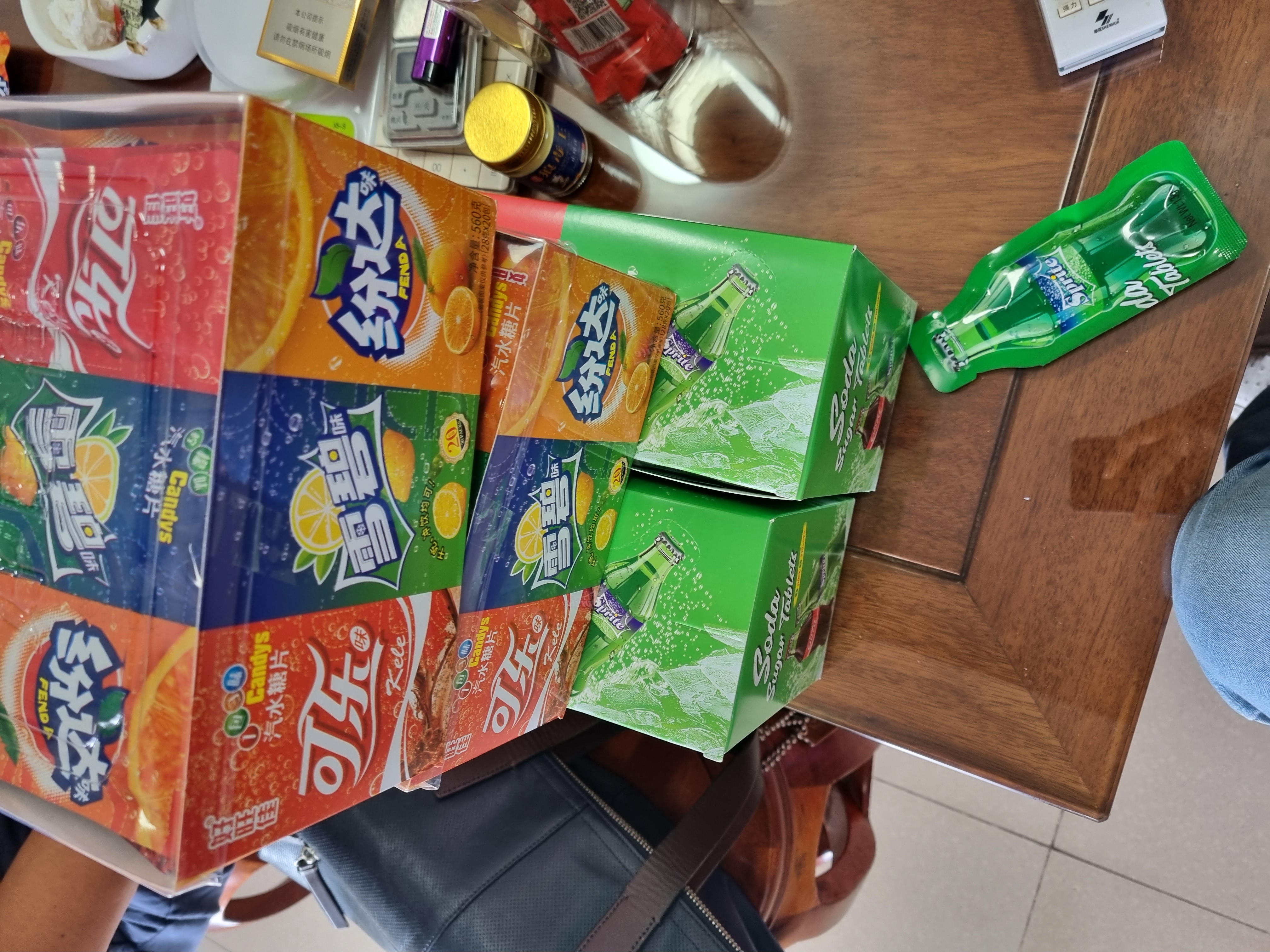
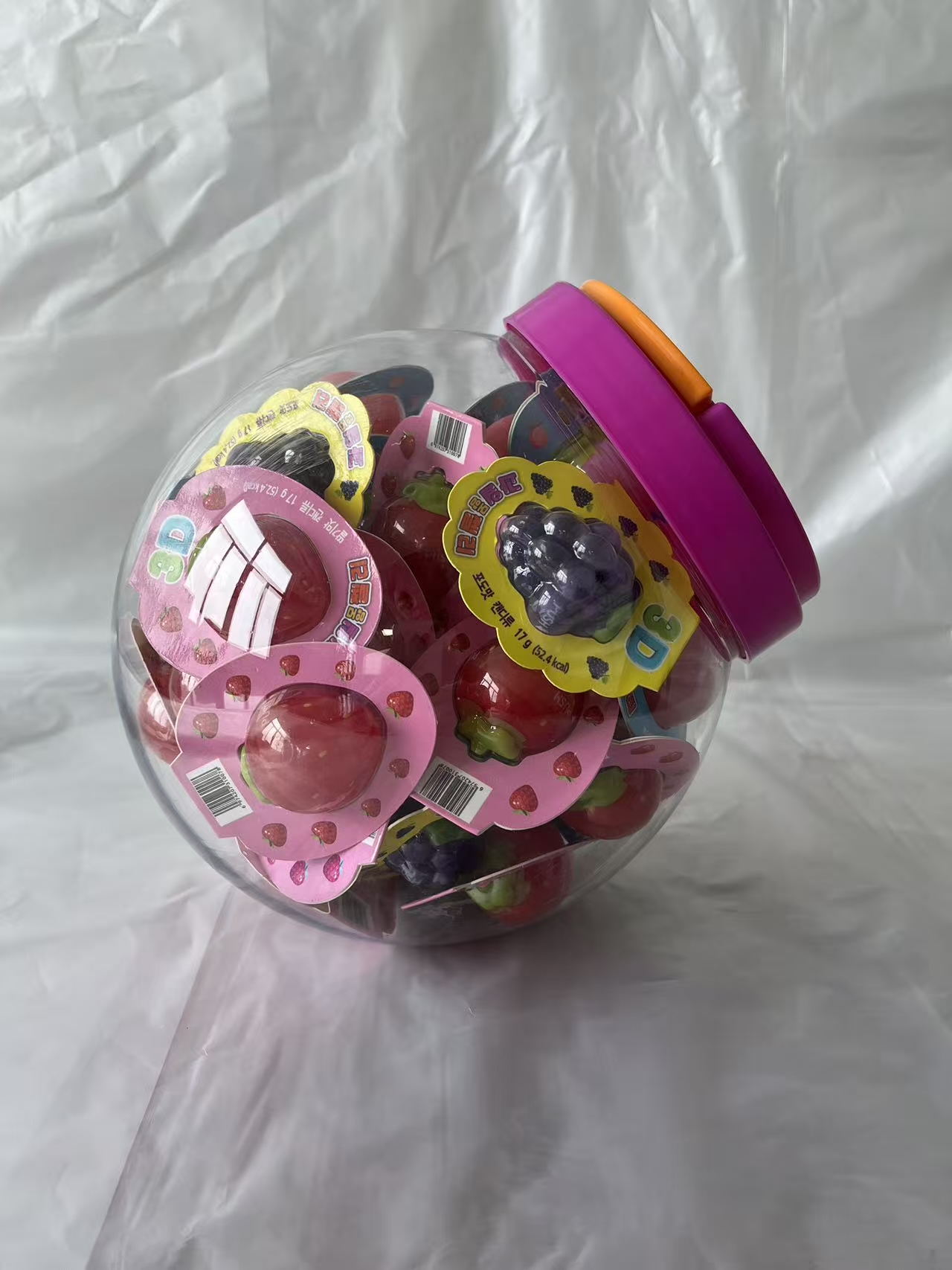
Impulse candy assortment for checkout trial
Convenience retailConvenience operator

Impulse candy assortment for checkout trial

A Midwest convenience operator needed to know whether a playful imported checkout set could survive freight, carton math, and fast-store reality before the first PO hardened.

Buyer priority

Protect margin on a cautious checkout trial.

What could break it

Freight, MOQ, and assortment sprawl can turn a fun counter item into dead inventory.

Brief verdict

Go, but only as a mixed-case wholesale pilot with packaging held constant.

Opening order

288 units across four pilot stores and one compact counter display footprint.

Commercial result

The test stayed retailer-sized and kept modeled gross margin near 50% without forcing a packaging commitment.
Licensed mini goods with packaging risk
Specialty assortmentSpecialty gift buyer

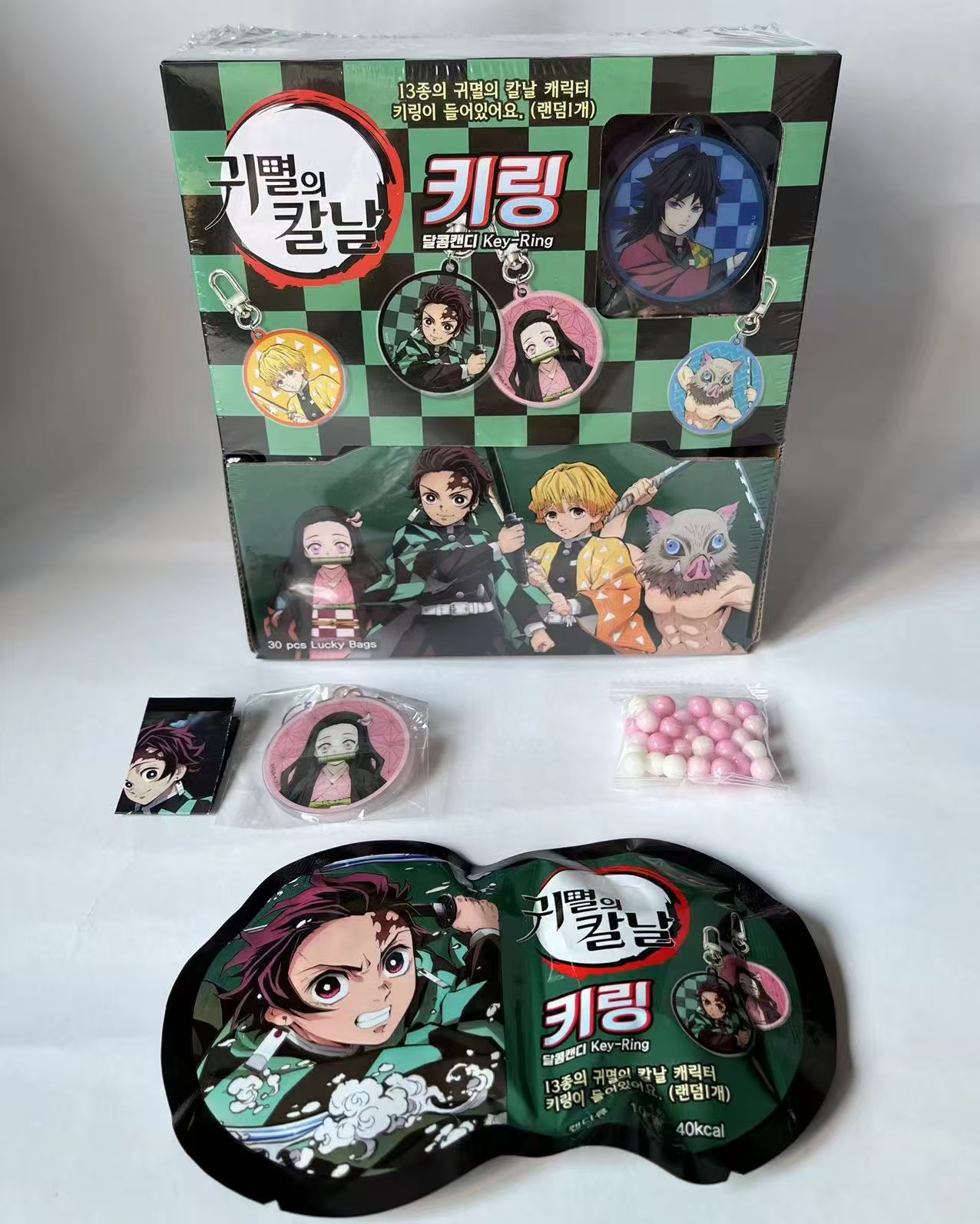
Licensed mini goods with packaging risk

A specialty gift buyer needed to know whether licensed mini goods would feel premium enough in person to justify the shelf price, not just whether the supplier quote looked clean.

Buyer priority

Protect shelf feel, finish, and packaging quality.

What could break it

Supplier thumbnails do not tell you whether the item will feel premium enough in-store.

Brief verdict

Go on four SKUs only after sample-backed packaging review.

Opening order

96 units across two pilot stores plus one weekend event table.

Commercial result

Assortment breadth fell, shelf confidence improved, and the opening buy became easier to defend.

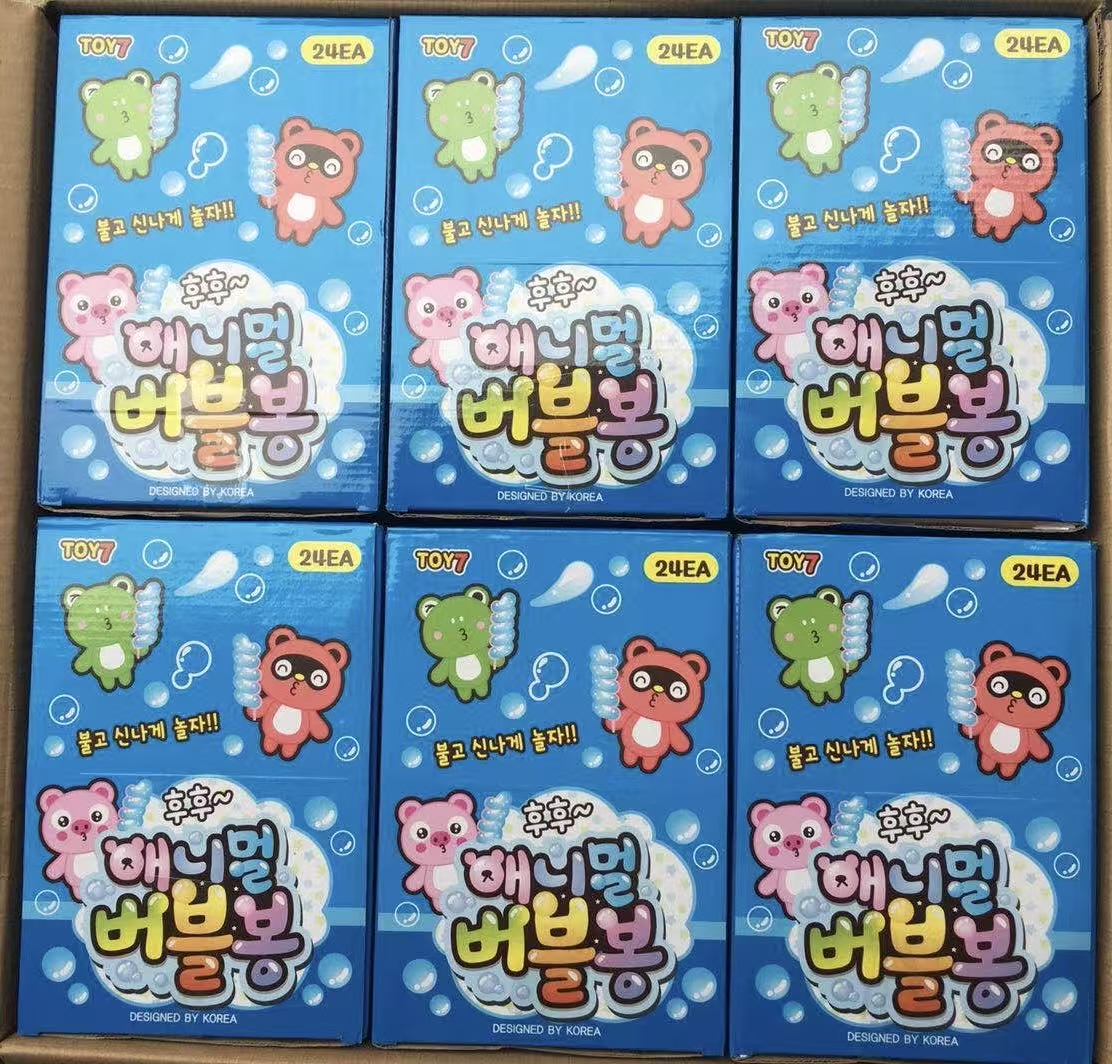
Seasonal novelty toy with timing pressure
Seasonal demandSeasonal merchandiser

Seasonal novelty toy with timing pressure

A seasonal merchandiser had a product that fit the store, but the calendar turned timing into the real commercial question and ultimately changed the answer.

Buyer priority

Protect timing before the selling window closes.

What could break it

A promising quote is still a bad buy if the shipment arrives after the season starts to pass.

Brief verdict

No-go for the current season; revisit only on an earlier import calendar.

Opening order

1,200 units contemplated for a Memorial Day through July 4 selling window.

Commercial result

The buyer avoided a late arrival that would have converted a good item into stranded seasonal stock.

Your product

Start with one product. Get the first real yes / no before the order hardens.

Send one product photo or listing link. NexSupply replies with route direction, cost framing, risk notes, and the next approval step before execution starts pretending it is already inevitable.