Decision pattern
What the buyer actually had to decide.
This operator did not need a new supplier database. They needed help telling the difference between a fun register item and a capital leak. The initial supplier set looked attractive only if the team ignored carton depth, freight drag on small volumes, and the reality that checkout assortment gets messy fast when too many SKUs compete for the same footprint.
Buyer problem
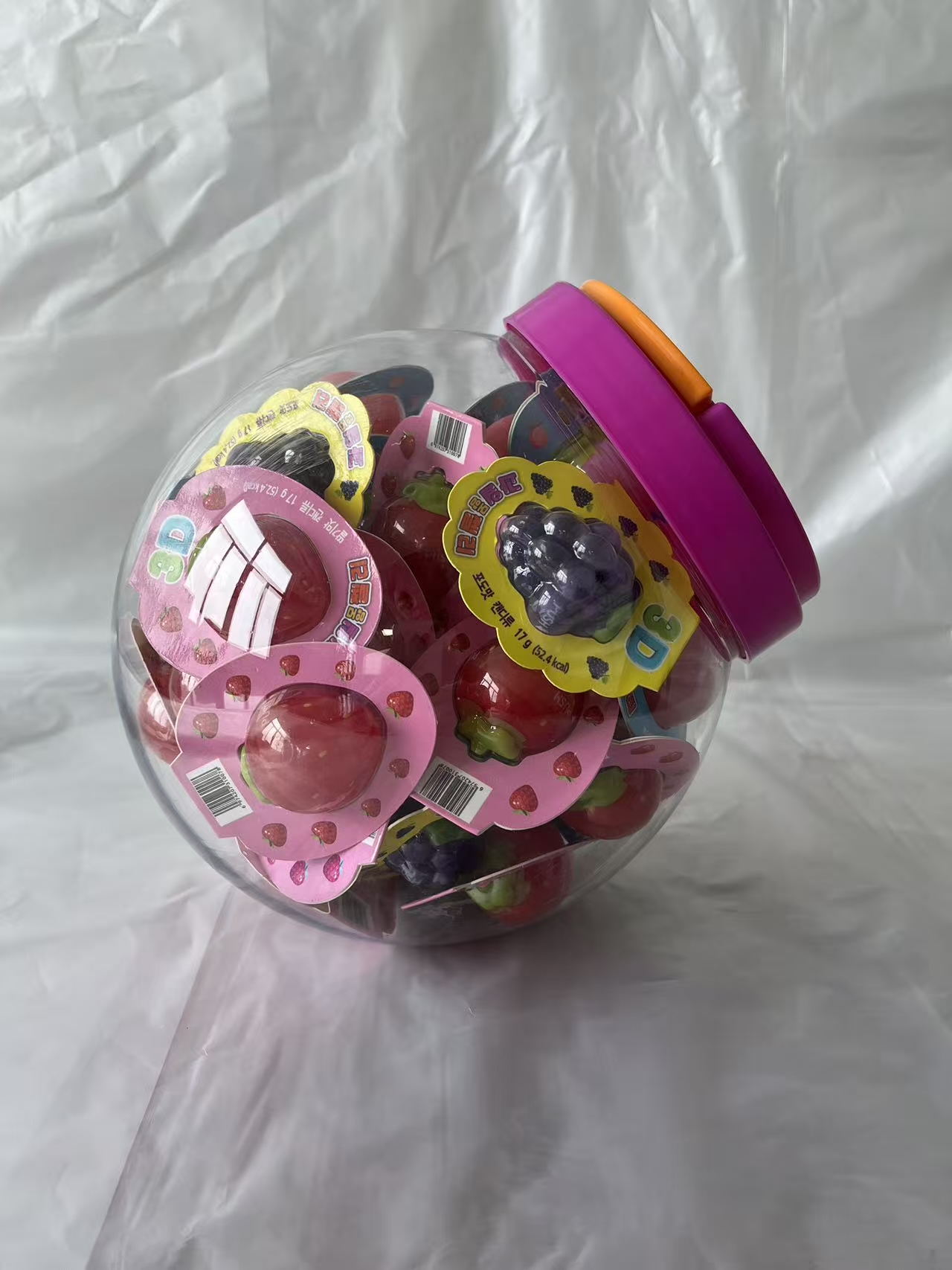
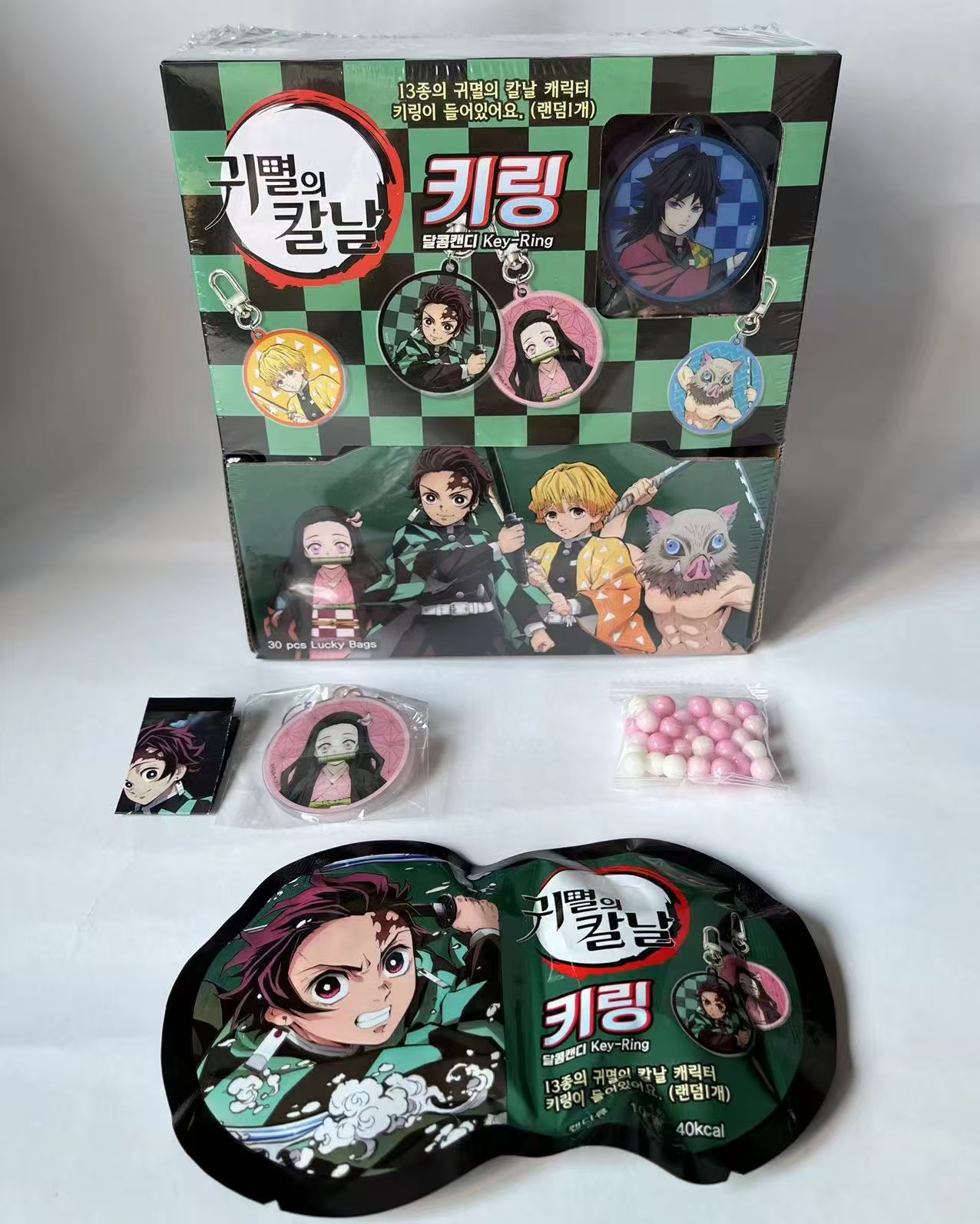
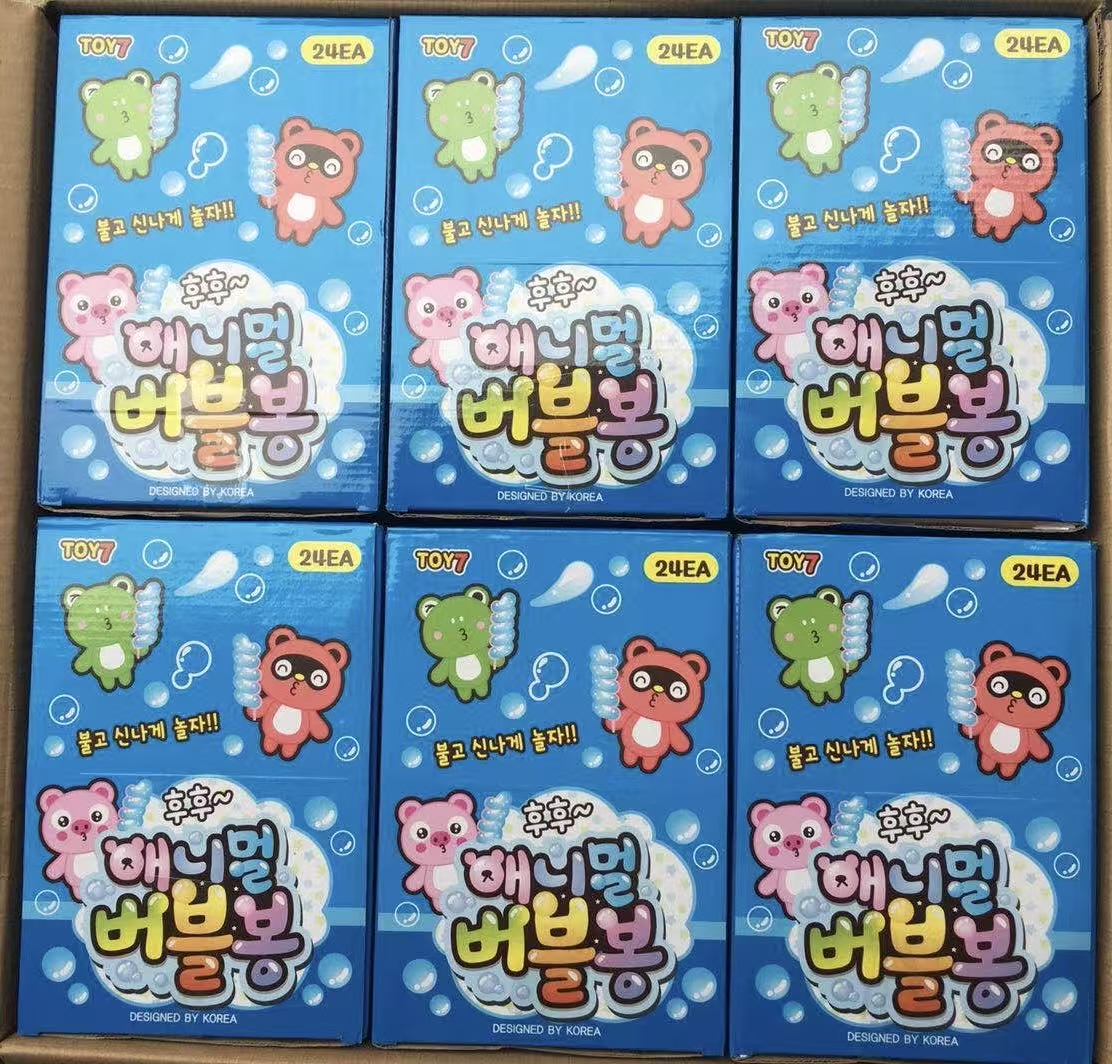
The buyer had nearly twenty candy novelty links that all looked fun in supplier thumbnails, but the first real question was whether any of them still worked after freight, carton breakup, and register-side display discipline were treated honestly. The stores did not need a big category launch. They needed one checkout test that could carry margin without filling the back room with curiosity inventory.
Inflection point
Once carton math and delivered cost were modeled against a four-store pilot instead of a chain-wide fantasy order, the apparently cheaper custom route stopped looking smart. The better answer was to keep the first order small, preserve assortment flexibility, and delay packaging decisions until actual shopper response was visible.
Decision
Start with a mixed-case wholesale path instead of custom packaging or OEM work, narrow the opening assortment to six winners, and use one sample-backed display configuration as the only approval gate for the first import run.
Why this path won
The wholesale route preserved variety without forcing the operator into packaging setup cost, let carton counts stay retailer-sized, and turned the first PO into a learning pilot instead of a declaration that the chain was committed to the category.
Keep the first order wholesale
Use existing packaging and mixed-case availability to learn quickly before any cost gets sunk into customization.
Cut the opening mix to six winners
Treat the first display as a disciplined pilot, not as a catalog dump pretending to be a launch.
Freeze one freight assumption
Keep margin modeling honest by refusing to let the quote move every time the desired result changes.
Why it mattered
The test stayed retailer-sized and kept modeled gross margin near 50% without forcing a packaging commitment.
Assortment sprawl
The initial link set was wide enough to feel exciting, but too wide for a real counter. Variety would have diluted velocity before the buyer even knew which flavor or pack shape shoppers noticed.
MOQ illusion
OEM pricing looked cleaner only when the order size quietly climbed past what a four-store test could responsibly absorb.
Register reality
Checkout products win or lose in seconds. If display clarity and replenishment rhythm are weak, low unit cost does not save the buy.