All case studies

NexSupply

Specialty assortment

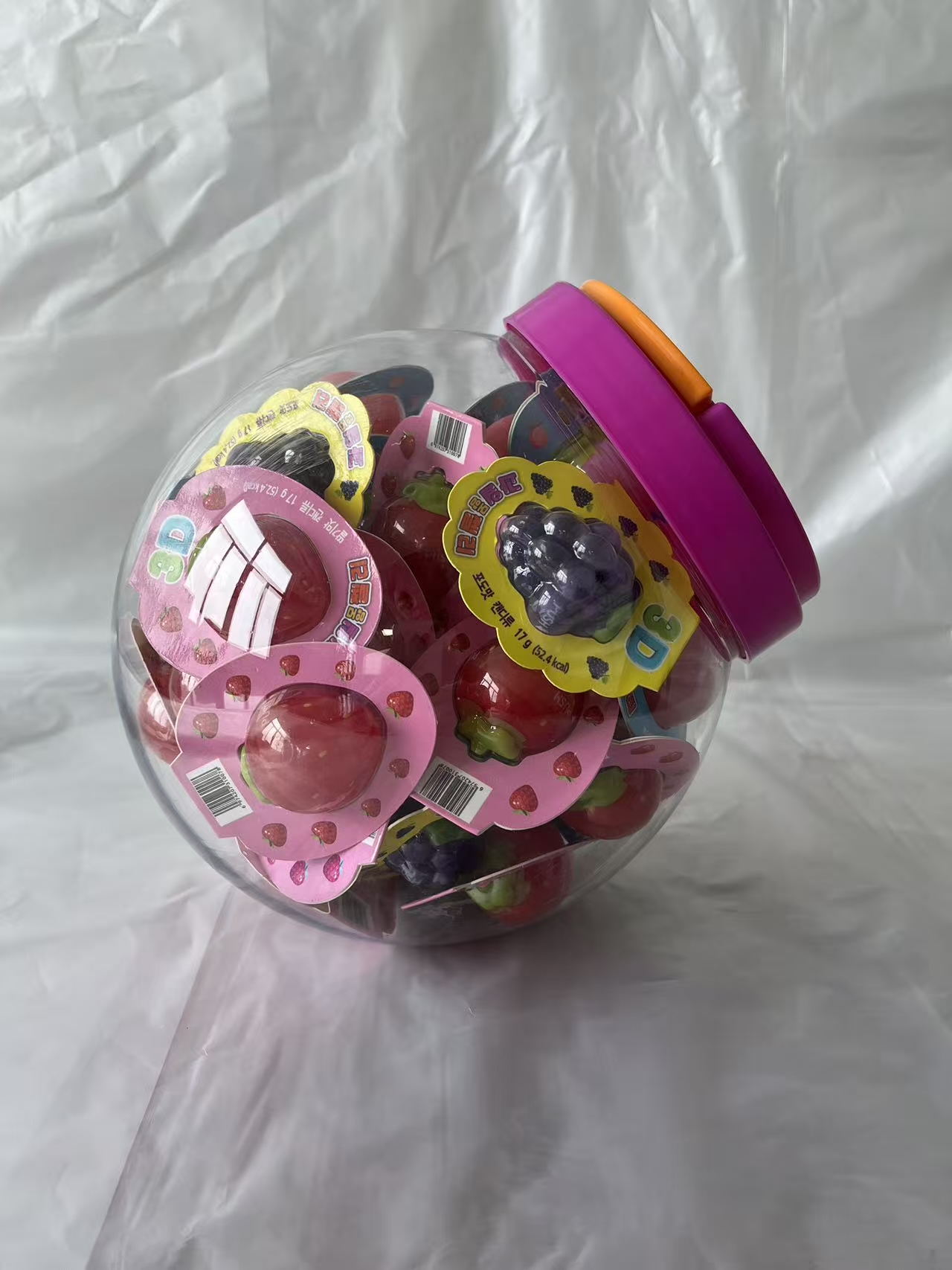
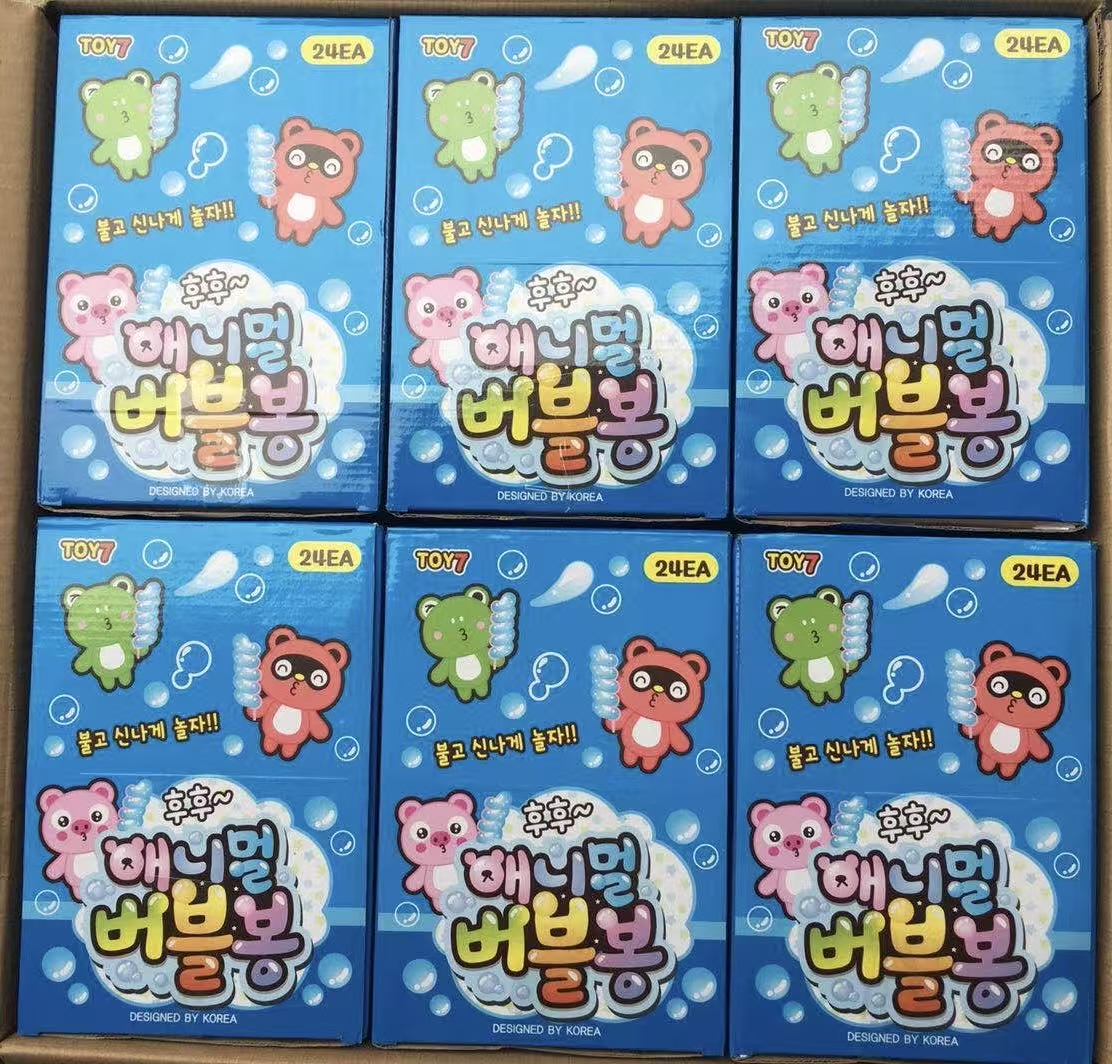
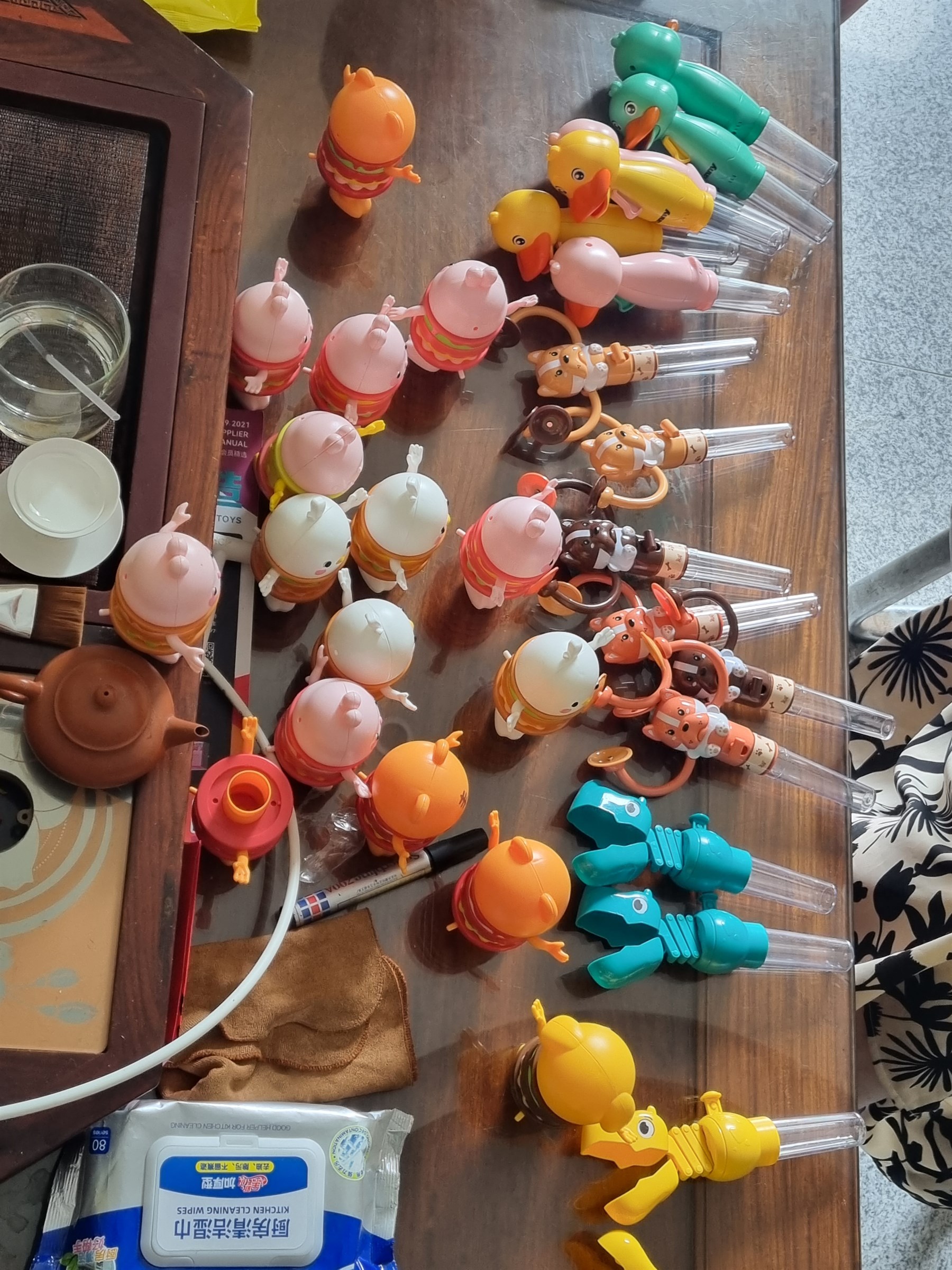
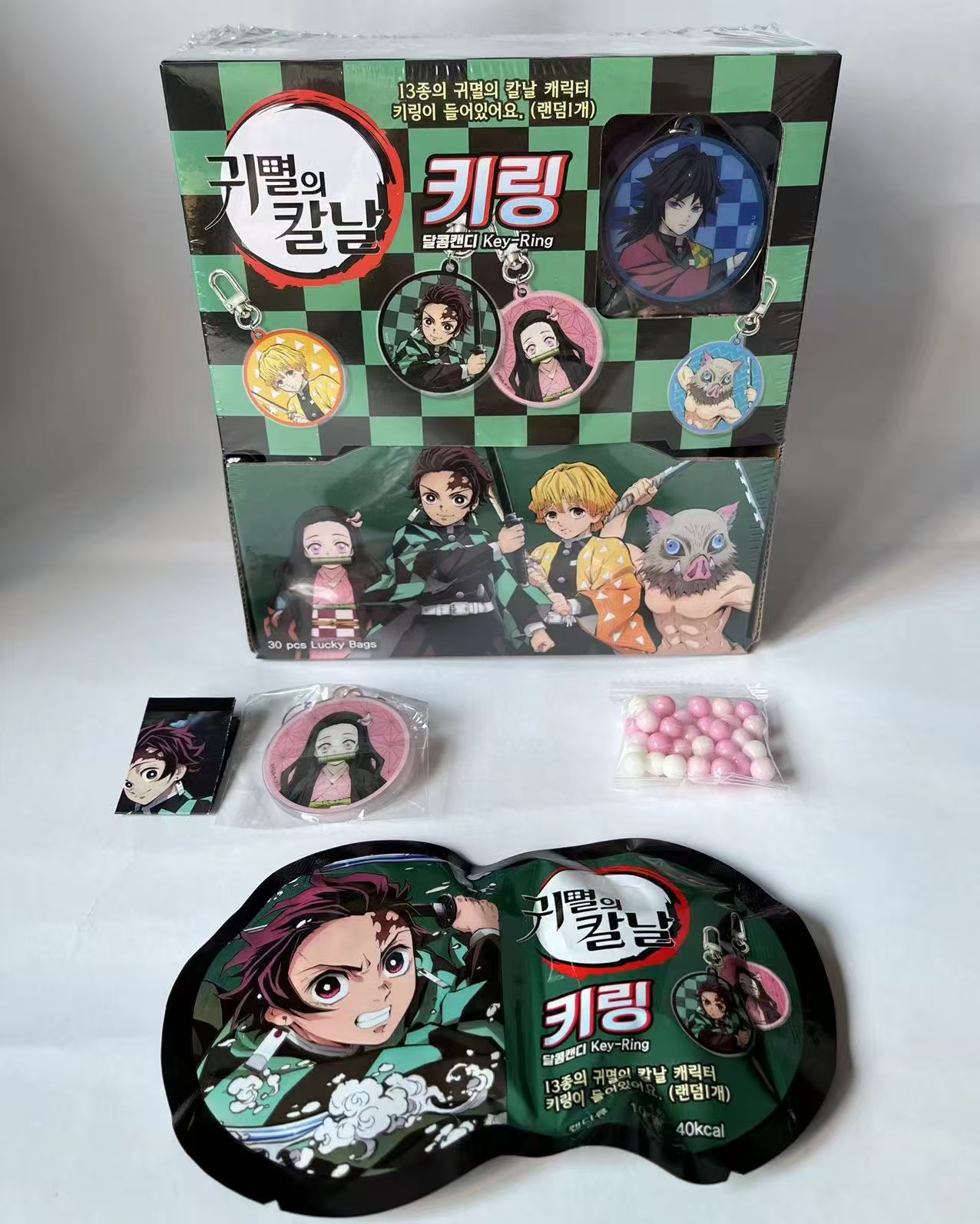
Licensed mini goods with packaging risk

This was not a cheap-vs-expensive question. It was a perceived-value question, and the packaging had to prove it could carry the shelf price in person.

Case snapshot

Composite case, real decision pattern.

This narrative is anonymized and the figures are rounded, but the structure mirrors the kind of first-order decision NexSupply is hired to make clearer before approval starts.

Retailer format

3-door specialty gift retailer

The test mixed register placement with a compact wall-peg presentation.

Opening order

96 units / 4 SKUs

Depth stayed shallow enough to protect the store if the shelf signal was weaker than expected.

Approval gate

Physical packaging review

The buyer would not approve from thumbnails alone.

Outcome

Go on narrow set, hold breadth

The first order earned confidence instead of borrowing it.

Decision pattern

What the buyer actually had to decide.

Specialty buyers often lose money by being almost right. The product concept is good, the supplier is real, and the quote seems workable, but the final item does not quite feel premium enough once it sits next to stronger store merchandise. That was the exact risk here. The buyer did not need more options. They needed fewer, better-proven options.

Buyer problem

The category looked commercially promising, but the buyer knew the decision would live or die on perceived value. Supplier thumbnails made almost everything look sellable. The real issue was whether blister finish, print density, and peg-read would still feel premium enough to support a specialty-store price once the products were physically in hand.

Inflection point

The decision changed once packaging quality was treated as economics instead of aesthetics. A slightly cheaper item that reads inexpensive on peg is not actually cheaper if it collapses the store's price credibility. The winner was the tighter assortment that could defend the shelf tag without apology.

Decision

Treat packaging finish as a core buying variable, cut the opening assortment from fourteen concepts to four, and make a physical sample review the non-negotiable approval gate before any opening PO.

Why this path won

This path let the buyer protect the premium shelf signal the store depends on. Instead of pretending all quote-sheet winners were equal, it forced the purchase decision to be earned by the products that actually held up in hand and on peg.

Let packaging decide the go / no-go

The sample review became the approval gate because finish and perceived value were inseparable from margin.

Start with one rack-worthy set

The opening display focused on the four SKUs most likely to feel intentional together instead of broad for the sake of breadth.

Preserve the right to widen later

The rest of the assortment stayed available, but only after the pilot proved that the shelf story was strong enough.

Licensed mini goods with packaging risk

Why it mattered

Assortment breadth fell, shelf confidence improved, and the opening buy became easier to defend.

Thumbnail deception

Most supplier images made the category feel safely viable, but thumbnails hide weak print density, cheap blister texture, and underwhelming shelf presence.

Premium price pressure

The store could command a good ticket only if the product looked giftable in person. A small packaging miss would have hit conversion immediately.

Too much breadth too early

A wide opening assortment would have spread the buy across mediocre options instead of letting the strongest designs actually read as winners.
Commercial picture

The economics only worked when the constraints stayed visible.

Assortment breadth fell, shelf confidence improved, and the opening buy became easier to defend.

Target shelf price

$9.99-$12.99

The band matched the store's entry gift range for small licensed goods.

Estimated landed cost

$3.38-$4.42 / unit

Range reflected packaging differences and the smaller opening depth.

Opening gross margin

55-62%

Margin stayed healthy only because the weaker-looking SKUs were cut before the PO.

Assortment reduction

14 concepts to 4 SKUs

The big commercial win was clarity, not volume.

Risk avoided

It avoided buying breadth first and discovering too late that the packaging looked soft, the color saturation felt cheap, or the peg presentation undercut the intended shelf price.

Commercial result

The buyer reduced the first assortment by more than half, kept the landed opening buy under roughly $900, and protected a premium-enough shelf read to support a healthy gift-store margin band.

Print and blister finish check

The store would not treat packaging quality as an afterthought because it directly affected price credibility.

Wall-peg presentation check

Products had to read clearly from a shopper's first glance, not only when held in hand.

Opening breadth discipline

Only the best-looking set moved forward so the first PO would teach something useful.

Step 01

Screen the supplier set for real shelf candidates

The first pass eliminated options that looked okay online but already felt weak for the store's price point.

Step 02

Use samples to test perceived value

Finish, print quality, and peg-read were judged as sales variables, not cosmetic extras.

Step 03

Build the opening PO around the winners only

The purchase depth stayed concentrated on the designs that could actually support the shelf ticket.

Step 04

Let early store feedback decide breadth

Broader assortment was deferred until the first rack had earned it.

Next action

What changed after the buyer stopped treating the product like a catalog yes.

The category moved forward with much less noise. Four SKUs earned the opening PO, the rest stayed out, and the buyer kept the right to broaden only after store feedback confirmed the premium read was real. That kept the first order small, clean, and aligned with how the retailer actually wins.

Next action

Approve only the four sample-backed winners, keep the rest of the assortment in reserve, and use early store feedback to decide whether the category earns wider breadth.

Best fit

Best for categories where presentation, packaging, and perceived value matter more than tiny quote differences.

Decision proof

Packaging quality treated as a core buying variable

Decision proof

Assortment narrowed before the first PO

Decision proof

Sample review used as the go/no-go gate

More decisions

Impulse candy assortment for checkout trial
Convenience retailConvenience operator

Impulse candy assortment for checkout trial

A Midwest convenience operator needed to know whether a playful imported checkout set could survive freight, carton math, and fast-store reality before the first PO hardened.

Seasonal novelty toy with timing pressure
Seasonal demandSeasonal merchandiser

Seasonal novelty toy with timing pressure

A seasonal merchandiser had a product that fit the store, but the calendar turned timing into the real commercial question and ultimately changed the answer.