All case studies

NexSupply

Seasonal demand

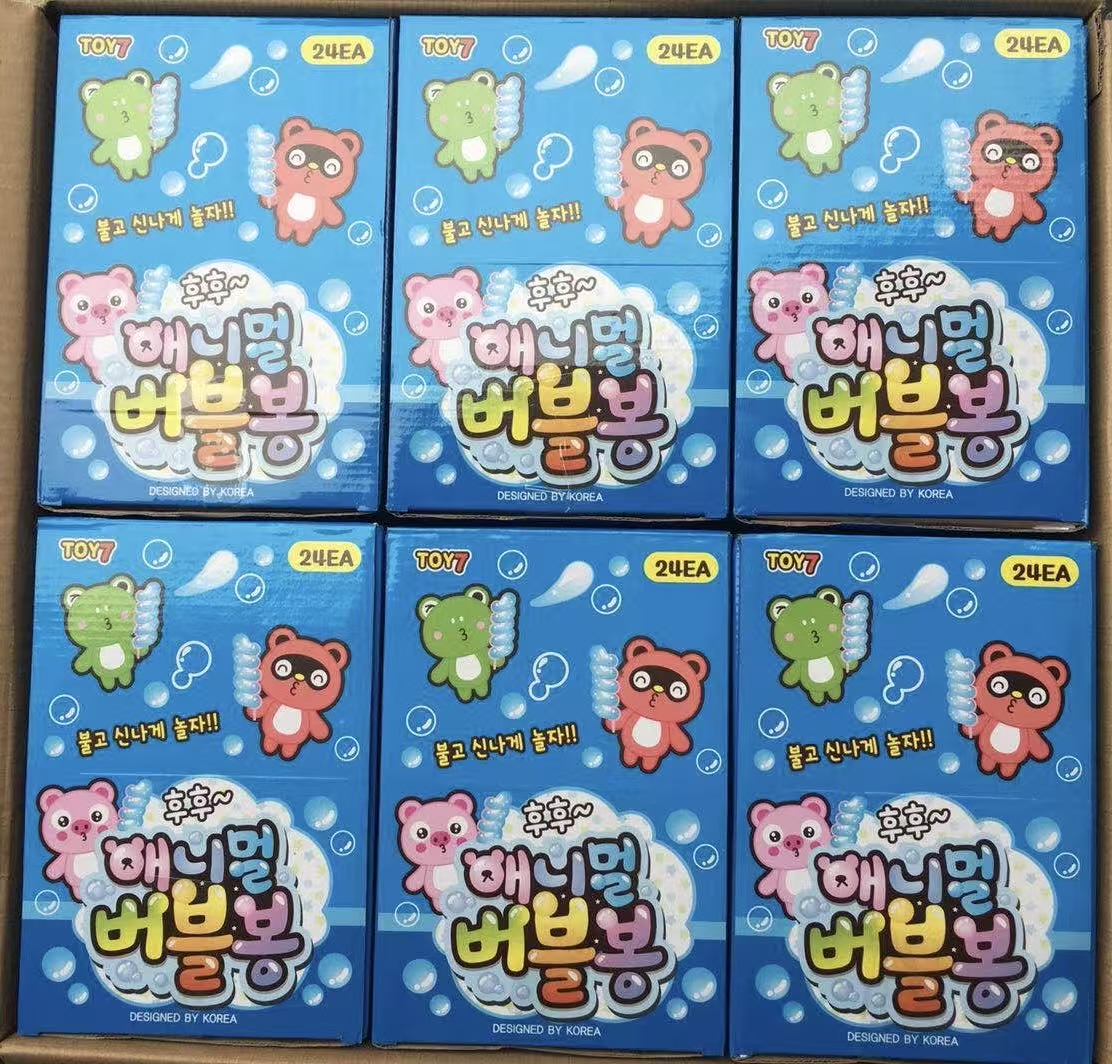
Seasonal novelty toy with timing pressure

This product was not rejected because it was bad. It was rejected because the calendar turned a decent item into a weak commercial bet.

Case snapshot

Composite case, real decision pattern.

This narrative is anonymized and the figures are rounded, but the structure mirrors the kind of first-order decision NexSupply is hired to make clearer before approval starts.

Retailer format

Regional seasonal merchandiser

The window was tied to family traffic between late spring and early summer.

Planned order

1,200 units

Large enough to matter, but only if the calendar still supported the buy.

Required in-store date

By May 6

Anything materially later eroded the best part of the season.

Outcome

No-go this season

The honest answer showed up before the PO hardened.

Decision pattern

What the buyer actually had to decide.

Seasonal buying is where small timing lies become expensive. The buyer already had a product concept with shopper appeal, a supplier willing to quote, and a team ready to move. What they did not yet have was a shipment path that could place the item in stores while the selling window still justified the effort. The important discipline here was to treat timing as economics, not as a logistics footnote.

Buyer problem

The buyer liked the product and the economics were not inherently broken, but the entire opportunity depended on arrival timing. If the product hit stores after the strongest four-week window, the same item that looked smart on paper would become trapped seasonal inventory almost immediately.

Inflection point

Once the calendar was modeled with realistic sample review, production, freight, and inland handling, the 'maybe it still works' optimism disappeared. The best-case arrival still pushed too far into the season. At that point, improving the quote no longer mattered because the retail window itself had become the constraint.

Decision

Judge the arrival calendar before approving samples or supplier optimism, and stop the import path for the current season once the honest timeline showed the useful selling window would likely be missed.

Why this path won

It forced the buyer to compare the supplier timeline against the retail calendar instead of against the ideal version of the calendar. That sounds simple, but it is exactly where late seasonal orders usually become expensive mistakes.

Judge arrival before sample

If the retail calendar is already broken, a sample only delays the moment when the buyer has to hear the truth.

Use a domestic fallback if the window is fixed

The right short-term answer may be a faster, less elegant source rather than a technically possible late import.

Move the import calendar one season earlier

The category can still work, but only if the buyer starts soon enough for timing to remain an advantage.

Seasonal novelty toy with timing pressure

Why it mattered

The buyer avoided a late arrival that would have converted a good item into stranded seasonal stock.

Calendar compression

Even a small delay in sample review or production pushed the arrival date into the weaker half of the window.

Air-freight temptation

The only way to rescue the timing was to force freight assumptions that would erase the margin and still leave little schedule buffer.

Supplier optimism

Quoted lead times sounded possible in isolation, but the total chain from approval to store arrival did not support the desired date.

Commercial picture

The economics only worked when the constraints stayed visible.

The buyer avoided a late arrival that would have converted a good item into stranded seasonal stock.

Needed in store

By May 6

That date preserved the strongest four-week selling stretch.

Best realistic arrival

June 3-10

The honest range included review, production, freight, customs, and domestic handoff.

Inventory at risk

~$10.8k

Budget that would have entered the season too late to perform cleanly.

Decision

No-go for current window

The stop call protected cash better than a forced yes.

Risk avoided

It avoided tying up budget in a product that could still arrive in good condition, yet arrive too late to deserve the inventory space or markdown risk.

Commercial result

The recommendation stopped a seasonal PO before it absorbed roughly $10.8k of inventory that was likely to land after the strongest demand window had already started to fade.

Fixed in-store date

The team agreed that the date would not drift just to save the recommendation.

Realistic freight assumption

The path was judged on a viable landed-cost scenario, not on emergency shipping that broke the margin.

Next-season restart plan

The no-go outcome still produced a better next move than a vague maybe.

Step 01

Anchor the retail window first

The buyer defined the last in-store date that still preserved the season's strongest demand.

Step 02

Model the full path honestly

Sample review, production, export handling, freight, customs, and domestic delivery were timed as one chain.

Step 03

Pressure-test rescue options

Faster freight and compressed approvals were considered, then rejected once they failed commercial sense.

Step 04

Stop early and preserve the next cycle

The buyer kept cash available for a faster fallback and planned the next import one season earlier.

Next action

What changed after the buyer stopped treating the product like a catalog yes.

The buyer left with a better answer than a false yes. Budget stayed free for a domestic fill-in option, markdown risk stayed off the books, and the next import cycle could be planned with enough lead time to make the category commercially meaningful instead of merely technically possible.

Next action

Use a domestic fallback for the current season if the assortment is still strategically important, and restart the import path one calendar earlier for the next cycle.

Best fit

Best for short-window products where shipment readiness and calendar fit are part of the economics.

Decision proof

Timeline pressure assessed before the PO decision

Decision proof

Shipment readiness risk weighed alongside landed cost

Decision proof

Sampling used only if it improved the real decision

More decisions

Impulse candy assortment for checkout trial
Convenience retailConvenience operator

Impulse candy assortment for checkout trial

A Midwest convenience operator needed to know whether a playful imported checkout set could survive freight, carton math, and fast-store reality before the first PO hardened.

Licensed mini goods with packaging risk
Specialty assortmentSpecialty gift buyer

Licensed mini goods with packaging risk

A specialty gift buyer needed to know whether licensed mini goods would feel premium enough in person to justify the shelf price, not just whether the supplier quote looked clean.