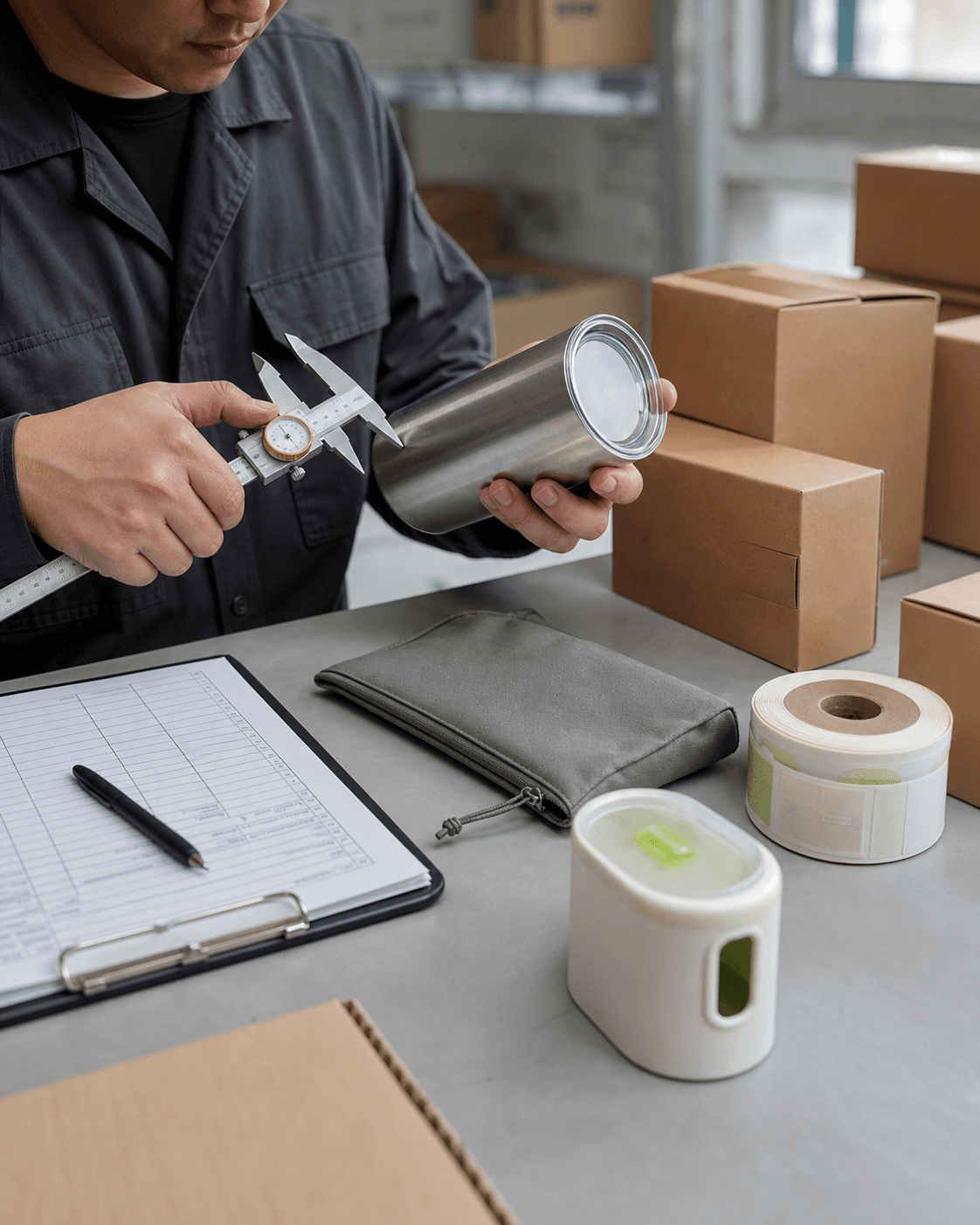
Product Development
Preparing existing products for your own sales channel
Changes to set composition, labels, instructions and packaging can differentiate the sales unit and customer experience without developing a new factory relationship.
· NexSupply · 2 min read
Importing an existing product can provide a practical starting point, but other sellers may use the same photographs and product configuration. Differentiation does not always require a new mould or a large OEM order.
Start with the sales unit
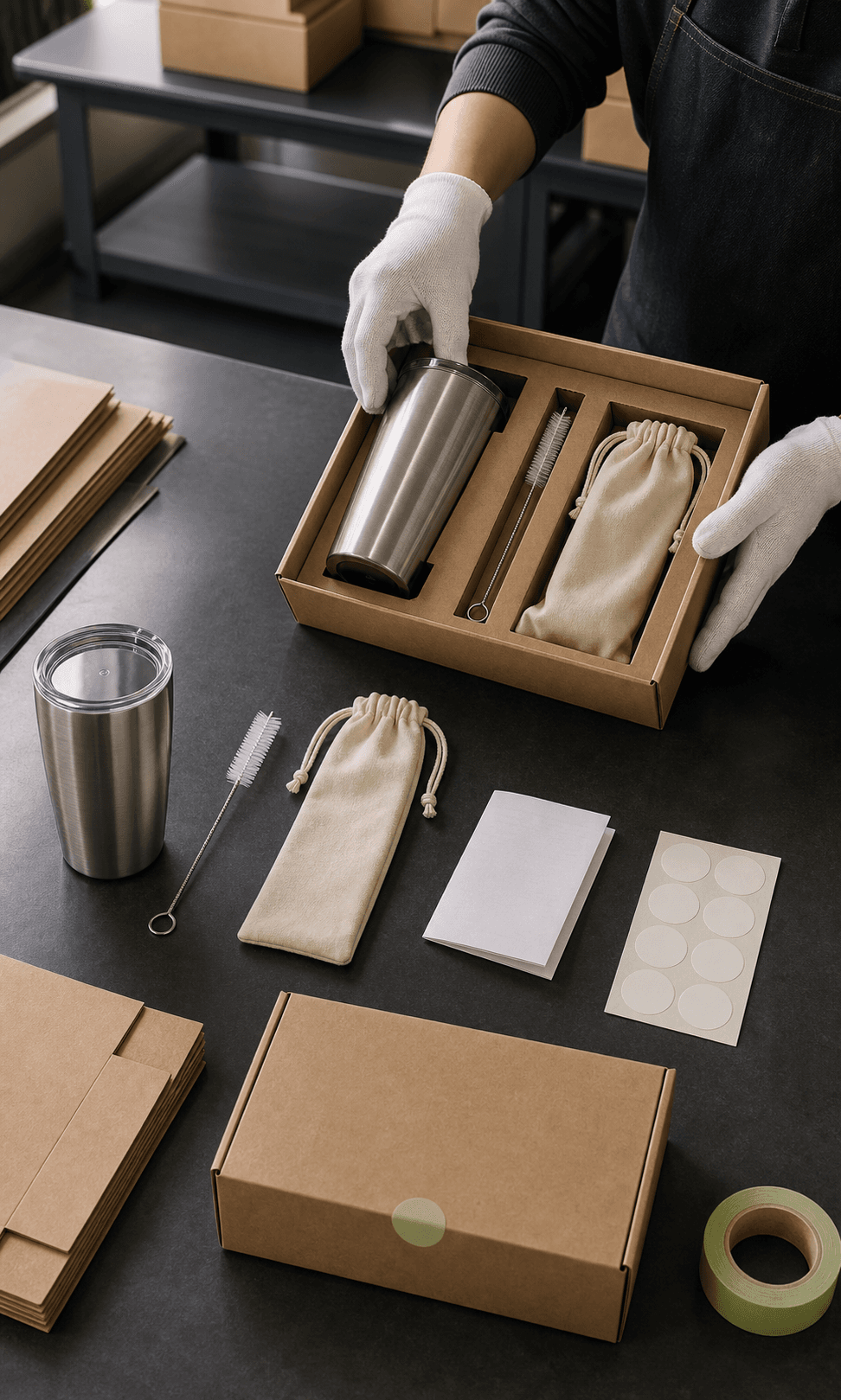
Combine products from different factories into a set, or adapt the quantity and contents to the customer's intended use.
- Offer two- or three-piece bundles instead of single units.
- Combine a main product with its consumables.
- Consolidate items from several factories into one set.
Add the information required for sale
Korean-language labels, instructions, barcodes and option identification may be required. Confirm the applicable product requirements before deciding which information to include and how to present it.
Record the packaging specification
Document bags, cartons, protective materials and label positions as work instructions. These specifications help maintain the agreed format on repeat orders.
When to consider OEM or ODM
Once an existing product has demonstrated demand and repeat order volumes and customer feedback have developed, assess whether OEM or ODM production could support changes to color, material or structure.
Product development begins by selecting a suitable approach: preparing an existing product for sale, targeted sourcing, or OEM/ODM development. The choice depends on the product's current commercial stage.